
Women’s professional golf has come a long way since its origins, with a history full of exciting moments and inspiring firsts that continue to shape the game. The adventure from informal competitions to global tours involved hard work, groundbreaking events, and a steadily growing fan base. Here, we jump into some of the biggest milestones that made women’s professional golf what it is today.
The Early Days: Founding Moments in Women’s Golf
Women’s involvement in golf began back in the 19th century, but truly eye-catching moments in professional play took time to arrive. Golf was often confined to men’s exclusive clubs, making any step toward inclusivity extra meaningful for the trailblazing women who wanted to compete seriously.
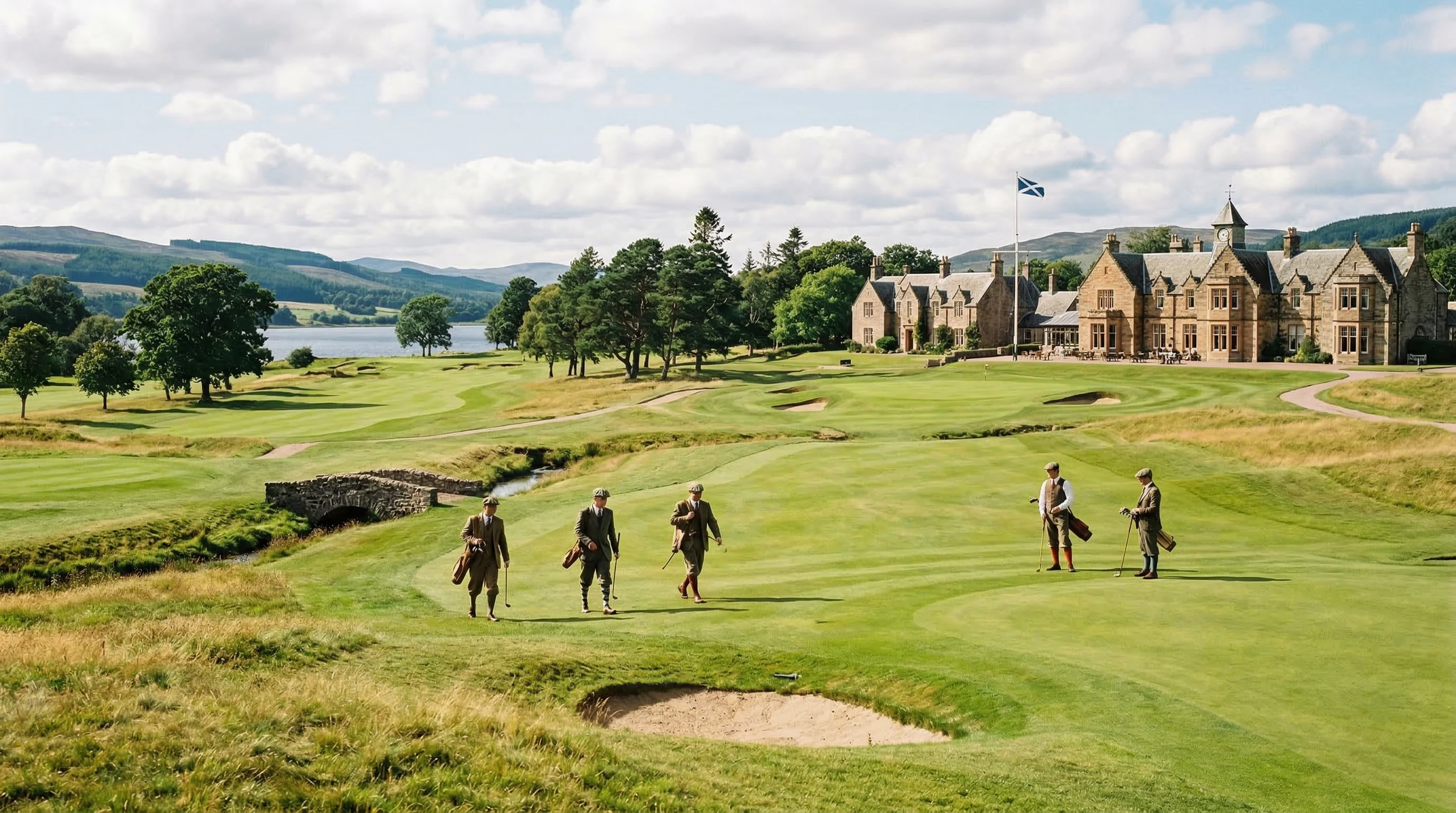
The first recorded women’s golf tournament took place in 1811 in Musselburgh, Scotland, where local women vied for a fancy creel and a punchbowl as prizes. Such events remained rare for many years, but the spark of interest was undeniable.
The United States made its mark in 1895 by launching the first U.S. Women’s Amateur Championship in New York. At the time, the idea of professional women’s golf hadn’t taken hold—most players were amateurs proud to represent their local clubs.
Meanwhile, across the Atlantic, the founding of the Ladies Golf Union (LGU) in England in 1893 played a crucial role by organizing and promoting tournaments for women throughout Great Britain and Ireland. These amateur organizations set the stage for professional leagues to come later.
Creating Opportunities: The Birth of Women’s Professional Tours
Transforming golf from just a pastime into a real profession for women took plenty of determination. During the 1930s, some women managed to earn money through golf exhibitions and trick-shot shows, but organized tours remained an aspiration.
The turning point arrived in 1944, when the trailblazers Babe Didrikson Zaharias, Patty Berg, and Betty Jameson came together and created the Women’s Professional Golf Association (WPGA), the first professional league for women. WPGA tournaments offered actual prize money—a big motivator for women imagining a career in golf.
Although the WPGA didn’t last, it set an example for future generations. In 1950, a determined group of 13 women (the “Founding 13”) launched the Ladies Professional Golf Association (LPGA). The LPGA’s first official event took place in Tampa, Florida; it marked the start of a new era where women could turn their golf dreams into careers.
Major Championships: Defining the Legends
Major championships in women’s golf are as vital as those in the men’s game. The first recognized women’s “major” was the Titleholders Championship, which kicked off in 1937 at Augusta Country Club. This event helped spark the tradition of intense women’s high-stakes tournaments.
The Women’s Western Open came even earlier, starting in 1930, and became a benchmark of golfing skill in the United States. These tournaments paved the path for the modern major championships recognized by the LPGA and other tours.
- U.S. Women’s Open (1946): Regarded as the pinnacle of women’s golf, this tournament drew elite talent from the start. Patty Berg won its debut, and it’s now the championship every player dreams of winning.
- LPGA Championship (now KPMG Women’s PGA Championship, from 1955): Every year, this event brings top golfers together, turning into a real highlight on the tour.
- ANA Inspiration (started in 1972): Formerly the Nabisco Dinah Shore, now called the Chevron Championship this event is famous for the winner’s celebratory leap into “Poppie’s Pond”—an iconic LPGA tradition.
- The Evian Championship (joined the majors in 2013): Held in France, it became the first LPGA major outside the US and added a global flavor to the roster.
These major tournaments didn’t just crown champions. They encouraged more women and girls to track down their own ambitions in golf, and helped legendary players write their stories.
Breaking Records and Barriers: Women Who Changed the Game
Several women have pushed boundaries—both in terms of sportsmanship and culture—in women’s golf. Their achievements didn’t just fill up stat sheets. They expanded the horizons for female athletes everywhere.
- Babe Didrikson Zaharias: Known for her unmatched skill and vibrant personality, Babe grabbed 10 major championships, an extraordinary accomplishment for her time. She was also one of the first women to compete in men’s events, proving that talent is not limited by gender.
- Mickey Wright: With a mind-blowing 82 LPGA victories and 13 major titles, Mickey’s smooth swing is still studied today. Many fans and experts say her swing sets the gold standard for both men and women.
- Annika Sörenstam: Annika made history by shooting a 59 in 2001, breaking LPGA scoring records and impressing golf fans everywhere. In 2003, she became the first woman in over five decades to compete at a PGA Tour event, making global headlines.
- Se Ri Pak: Pak’s success in the late 1990s inspired a surge of Korean and Asian women to take up golf, completely transforming the makeup of the LPGA and setting the stage for international competition.
Stories like theirs motivate new generations and show that women’s golf is packed with game-changing figures.
Going Global: Women’s Golf Around the World
Women’s golf quickly shed its national boundaries as stars emerged from Asia, Europe, Australia, and South America. This infusion of global talent not only raised the skill level in competitions but also broadened the sport’s audiences and appeal.
The Ladies European Tour (LET), established in 1978, provided European women a platform to shine and helped change the competitive landscape. Influential players like Laura Davies from the UK and Annika Sörenstam from Sweden rose to fame and became household names worldwide.
Japan’s contribution is also significant—the Japan LPGA began in 1967, and today, Korean, Australian, and Chinese courses host major international tournaments that attract top talent.
The growing presence of Asian golfers, especially from Korea and Japan, has defined women’s pro golf since the 2000s. Standouts like Inbee Park, boasting major titles and an Olympic gold, show how far the sport has come in becoming a truly global competition.
Tech, Sponsorships, and Television: Taking the Game to New Heights
Technology, sponsorships, and television exposure have all played huge roles in raising the profile of women’s golf over the years.
- Television contracts: As more tournaments popped up on TV in the 1960s and ‘70s, more fans tuned in and connected with the athletes, making the LPGA a recognizable name.
- Bigger purses and sponsorships: Sponsors noticed the rising excitement and invested more. Prize money for tournaments increased sharply over the years—the U.S. Women’s Open hit a record $10 million purse in 2022, unheard of just a decade ago.
- Technology: Equipment—clubs and golf balls—has come a long way, allowing professionals to hit further, play smarter, and attract even more fans with better scoring and more exciting play on the course.
Common Questions About Women’s Professional Golf
If you’re curious about women’s professional golf, here are answers to some frequently asked questions:
How old is the LPGA?
The LPGA was established in 1950, making the association over 70 years strong.
What’s the biggest women’s golf tournament?
The U.S. Women’s Open takes the crown for prestige and attracts the best players from all over the planet.
When did women start earning real prize money in golf?
Women started earning prize money in the 1940s through the WPGA, with bigger checks and notable sponsorships growing fast from the 1970s and 1980s.
Who are some of the top current players in women’s golf?
Currently, stars like Nelly Korda (USA), Jin Young Ko (South Korea), and Lydia Ko (New Zealand) top worldwide leaderboards and frequently grab major championships.
Looking Ahead: The Future of Women’s Professional Golf
Women’s pro golf is thriving, with fresh talent, an expanding global audience thanks to streaming and social media, and rising amateur participation. Golf programs for girls and juniors are more widespread than ever, opening doors for future stars in all corners of the world.
Prize money and sponsorships keep increasing, making women’s events events to watch. Today’s athletes step up the excitement with their skill and individuality, appealing to fans of all ages. While challenges remain, the overall outlook is positive, with opportunity and innovation around every corner. If you’re just learning about women’s golf, now is the perfect moment to get involved—whether as a viewer, participant, or future professional.
The milestones powering today’s success were built on relentless passion, hard-fought victories, and an abiding love for the sport. Each swing, every win, and every aspiring pro adds to the rich heritage of women’s professional golf—a story that continues to grow day by day.